Waste management poses significant environmental challenges in many communities, contributing to pollution, health hazards, and environmental degradation. To address this growing concern, our “Project Waste-Free Communities” initiative transformed waste management into opportunities for environmental sustainability and socioeconomic growth.
The project was implemented over three weeks in five communities across the Federal Capital Territory: Karonmajigi, Durumi, Galadimawa, Jahi, and Paikon Kore. In the course of the project, we engaged with local stakeholders, volunteers, and residents in various waste management activities. Communities were selected based on their growing waste management challenges, including inadequate waste disposal facilities, low recycling rates, and a lack of awareness about sustainable practices, as well as their previous engagement in environmental programs.
Volunteers formed the backbone of the project, playing active roles in organizing events, spreading awareness, and participating in various activities. Community leaders were indispensable in mobilizing community members and advocating for the project at the grassroots level.
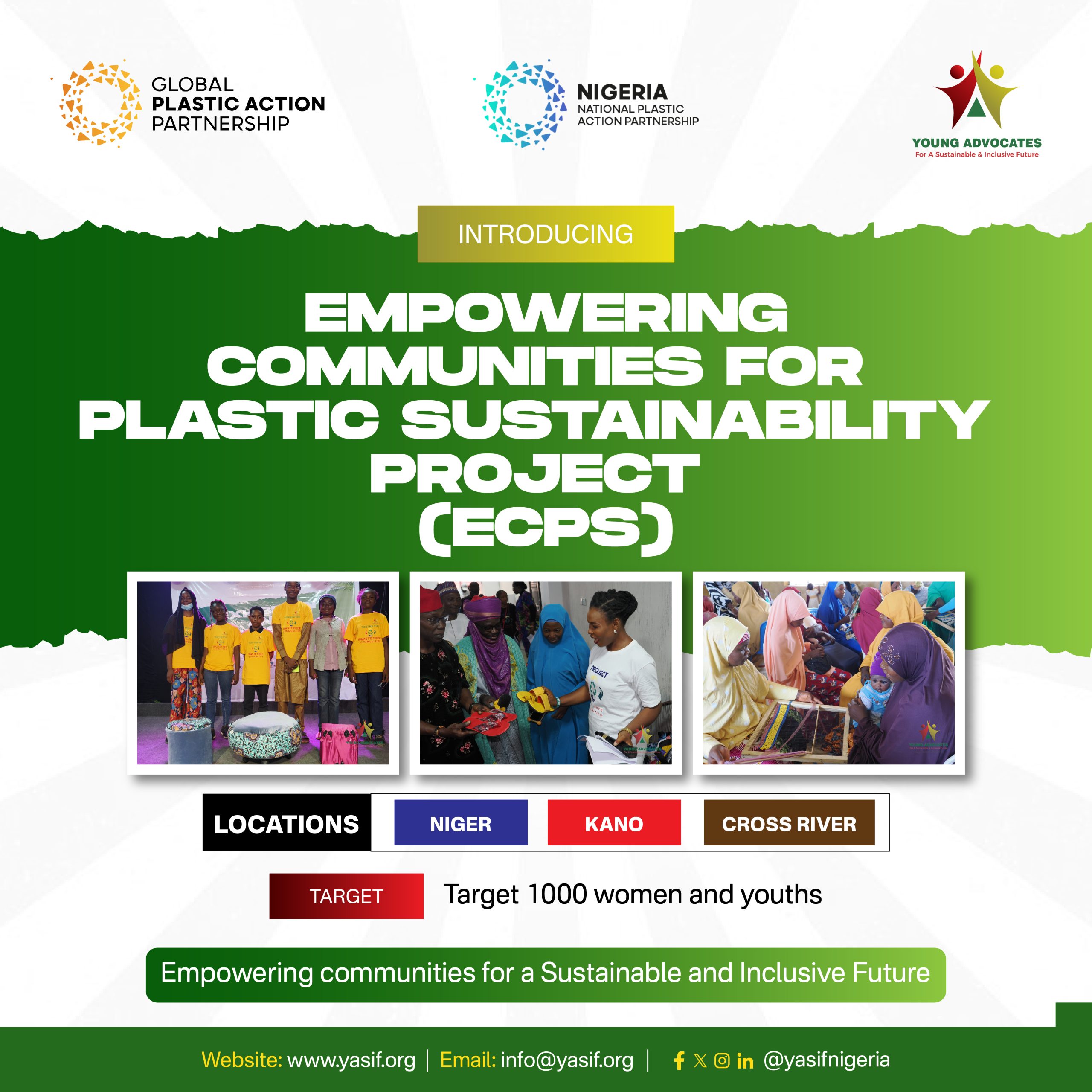
From August 15-28, 2024, over 600 women and youths received training and equipment for plastic upcycling. Participants learned to create valuable products such as bags, purses, stools, slippers, and aprons using recycled materials like LDPE sachets, nylon bags, and PET bottles. After the training, participants were equipped with materials to start their own upcycling initiatives, including knitting looms, sewing machines, scissors, thread etc.
In addition to the training, we organized clean-up and sensitization workshops in Jahi and Paikon Kore, promoting plastic waste management and environmental sustainability. The project culminated in a closing ceremony on August 28, 2024, where 60 selected trainees showcased their finished products. Notably, some women sold their products, generating income and fulfilling the project’s objective of building livelihood support through plastic upcycling.
Our data shows that the project successfully reduced waste, increased recycling rates, and left a lasting impact on the communities. We remain committed to empowering individuals and communities to drive environmental sustainability and socioeconomic growth.